


Electrical Safety Certificate for Commercial Premises: Full Guide


If you run a business, own commercial property, or manage premises let to others in London, you've probably been asked for an electrical safety certificate for commercial premises and weren't quite sure what that meant in practice. It's not one single document with a fixed name. It covers the paperwork that proves your fixed wiring, distribution boards, and installations have been inspected and are safe for staff, customers, and visitors to be around.
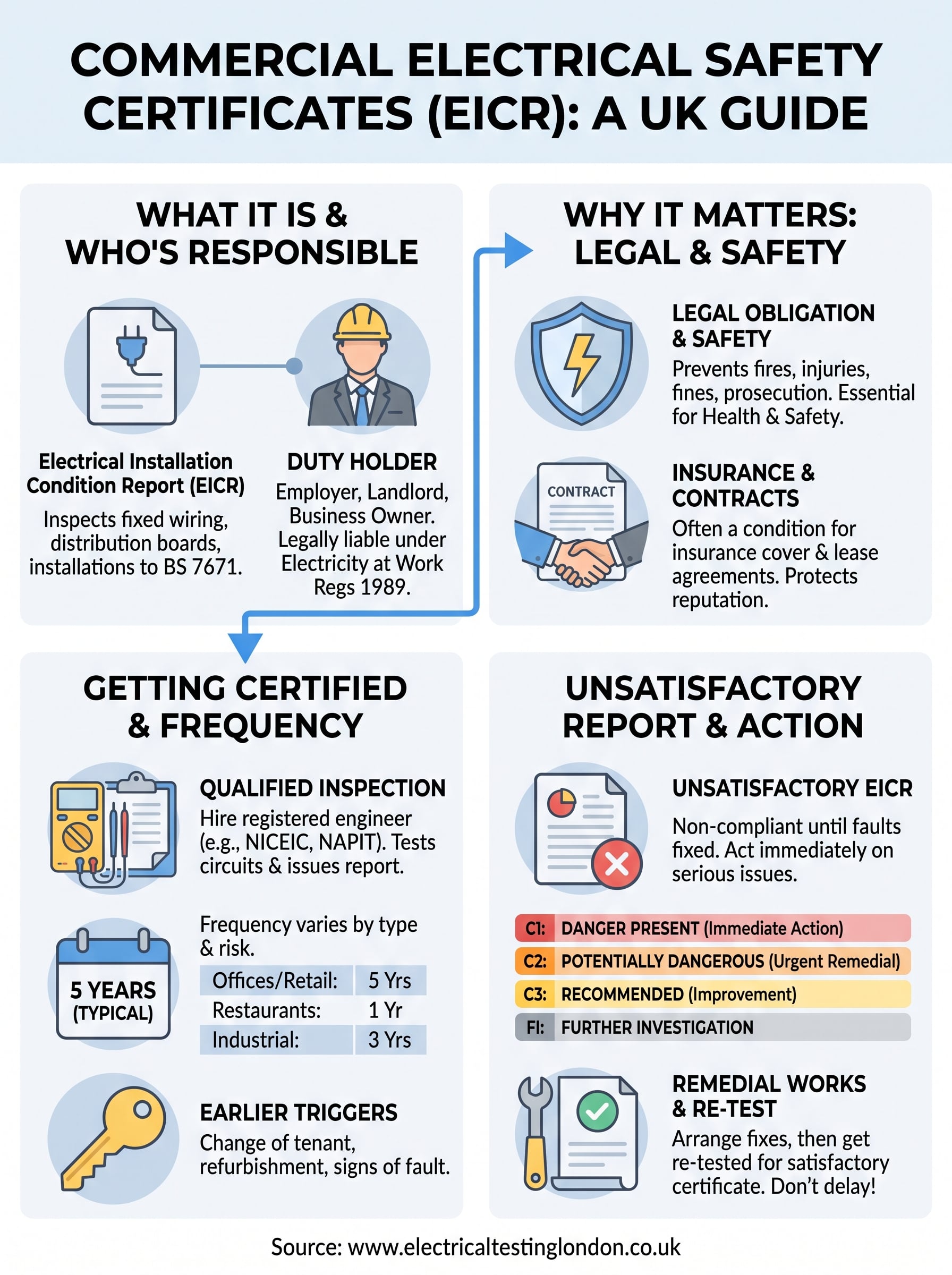
In plain terms, this certificate is usually an Electrical Installation Condition Report (EICR), issued after a qualified engineer inspects your installation against British Standard BS 7671. It confirms whether your premises pass, and if not, what needs fixing before it's compliant. Responsibility for arranging it sits with the duty holder, typically the employer, landlord, or business owner, under the Electricity at Work Regulations 1989.
This guide walks through what the certificate actually covers, who legally needs one, how often it must be renewed, and what happens if you're found without valid documentation during an inspection or after an incident. We'll also cover typical timescales and costs, so you know exactly what to expect before booking an inspection for your commercial property.
Why commercial premises need an electrical safety certificate
Every commercial property owner or duty holder in England has a legal obligation to keep electrical installations safe under the Electricity at Work Regulations 1989 and the Health and Safety at Work Act 1974, and the UK rules on electrical safety certificates for commercial property spell out exactly where that duty comes from. Both put the onus squarely on whoever controls the premises to prevent danger from electrical systems, and an up-to-date commercial EICR in London is the standard way to demonstrate you've met that duty. Skip it, and you're not just risking a fine, you're gambling with the safety of everyone who steps through your door.
The legal and safety case
Faulty wiring causes thousands of electrical fires in UK businesses every year, and the Health and Safety Executive is clear that employers must control the risks from electrical equipment as part of their wider health and safety duties. Fire and rescue authorities can also request proof of a valid electrical safety certificate for commercial premises during a fire risk assessment visit, and an inspector who finds nothing on file can issue an improvement notice or, in serious cases, prosecute.
A commercial electrical certificate isn't paperwork for its own sake, it's the evidence that stops a preventable fault from becoming a fire, an injury, or a lawsuit.
Insurance, contracts, and reputation
Insurers routinely ask for a valid EICR before paying out on claims involving fire or electrical damage, and many commercial policies now list it as a condition of cover. Letting agreements and lease contracts often build the same requirement in directly, meaning a landlord or tenant without one could be in breach before an inspector ever gets involved. Beyond the legal and financial angle, customers, staff, and contractors expect a workplace that hasn't cut corners on basic safety, so a current certificate also protects your reputation if something does go wrong. Our team at Electrical Testing London sees this play out regularly: businesses that treat the certificate as a formality only realise its value the moment an insurer or client asks to see it.
How to get an electrical safety certificate for your premises
Getting a commercial EICR starts with finding a registered electrician who's qualified to inspect installations against BS 7671, not just any tradesperson with a multimeter. Look for engineers registered with NICEIC, NAPIT, or a similar competent person scheme, since these bodies audit their members' work and give you a paper trail if a dispute ever arises. Electrical Testing London's engineers all carry at least ten years' experience and the right accreditations for commercial EICR inspections, so you're not left guessing whether the report will hold up.
What the inspection actually involves
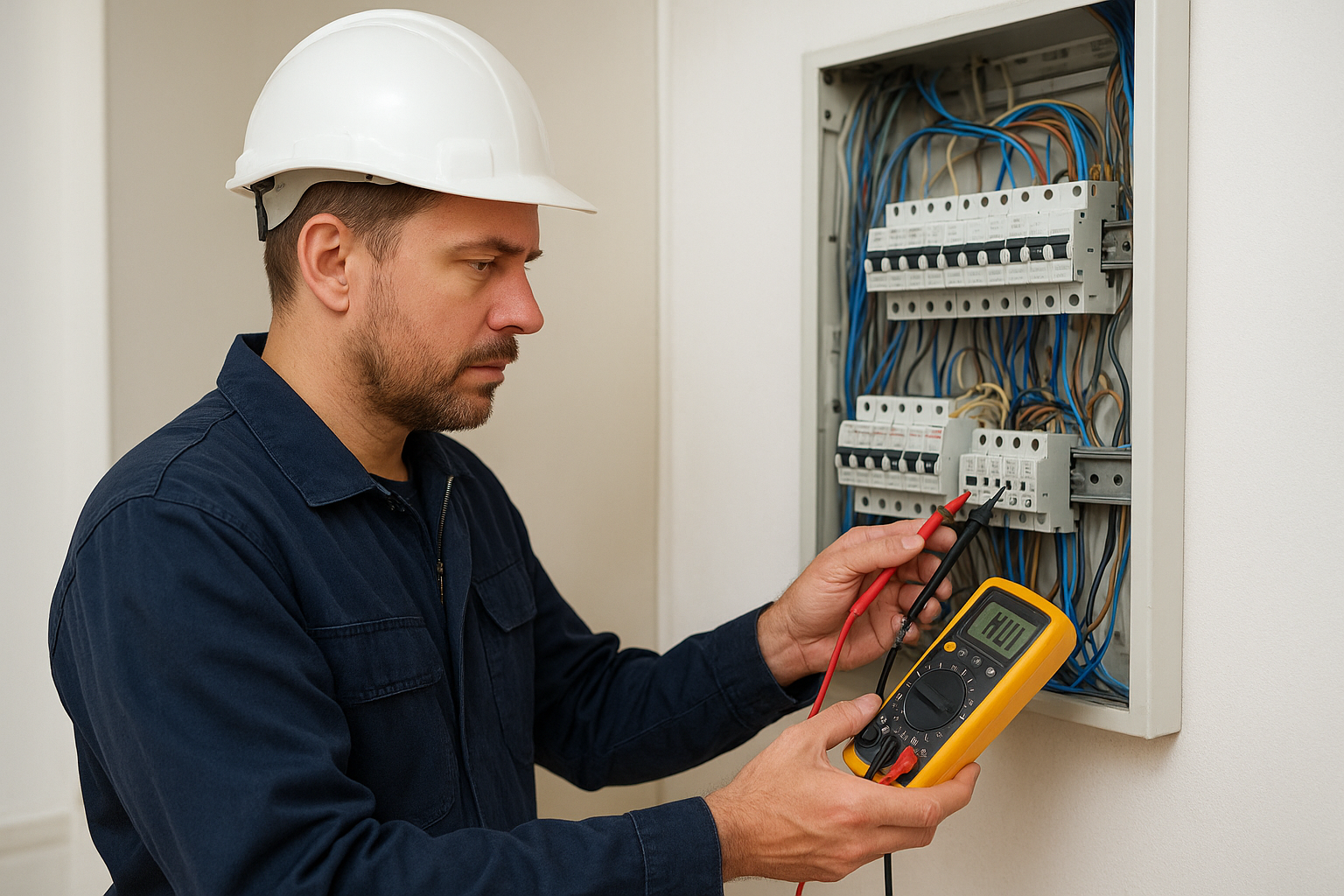
Once booked, the engineer works through your fixed wiring, distribution boards, sockets, and switchgear, testing insulation resistance, earth continuity, and circuit protection, and it helps to know step by step how an EICR is carried out before the visit. Expect the process to run something like this:
-
Initial walkthrough and review of any previous reports
-
Isolation of circuits for dead testing where needed
-
Live testing of protective devices and RCDs
-
Visual inspection of accessible wiring and enclosures
-
Written report with observations coded C1, C2, C3, or FI
A proper inspection isn't a box-ticking walk-round, it's a full test of every circuit that could fail under load.
Timescales and costs to expect
Small offices or shops usually take half a day, while larger premises with multiple distribution boards can stretch over several visits. Costs vary with the number of circuits, and our breakdown of commercial electrical inspection prices shows what to expect, but transparent providers will quote a fixed price upfront rather than leaving you guessing until the invoice lands.
How often your certificate needs renewing
Most commercial properties need a fresh EICR renewal every five years, but the testing frequency rules for commercial premises shift depending on what the building is used for and how hard the installation gets worked. Higher-risk environments such as industrial units, swimming pools, or premises with heavy machinery often need checks every one to three years, while a quiet office might safely stretch to the full five. Your previous report will usually state the recommended interval in its summary, so check that before assuming five years applies by default.
Typical renewal intervals by premises type
|
Premises type |
Recommended interval |
|---|---|
|
Offices |
5 years |
|
Retail shops |
5 years |
|
Restaurants and takeaways |
1 year |
|
Industrial units |
3 years |
|
Swimming pools |
1 year |
|
Rented commercial units |
5 years or on change of tenancy |
Treat the interval on your last EICR as a deadline, not a rough guide, because insurers and inspectors will ask for the date it expires.
Other triggers for an earlier check
Beyond the fixed schedule, certain events should push you to book an inspection sooner rather than waiting out the clock. A change of tenant, a major refurbishment, new equipment drawing significant load, or any sign of tripping breakers or scorch marks around sockets all warrant an immediate visit from a qualified engineer. Landlords bringing a new business into a unit should never assume the outgoing tenant's certificate still applies, since the electrical installation condition can change fast once new fit-out work begins.
What happens if your EICR comes back unsatisfactory
Getting an unsatisfactory EICR isn't the end of the world, but it does mean your premises are officially non-compliant until the faults get fixed, so it pays to know what happens if an EICR fails and the deadlines that follow. The report will list every issue found, each coded by severity, and you'll need to act on the serious ones before the certificate can be marked satisfactory.
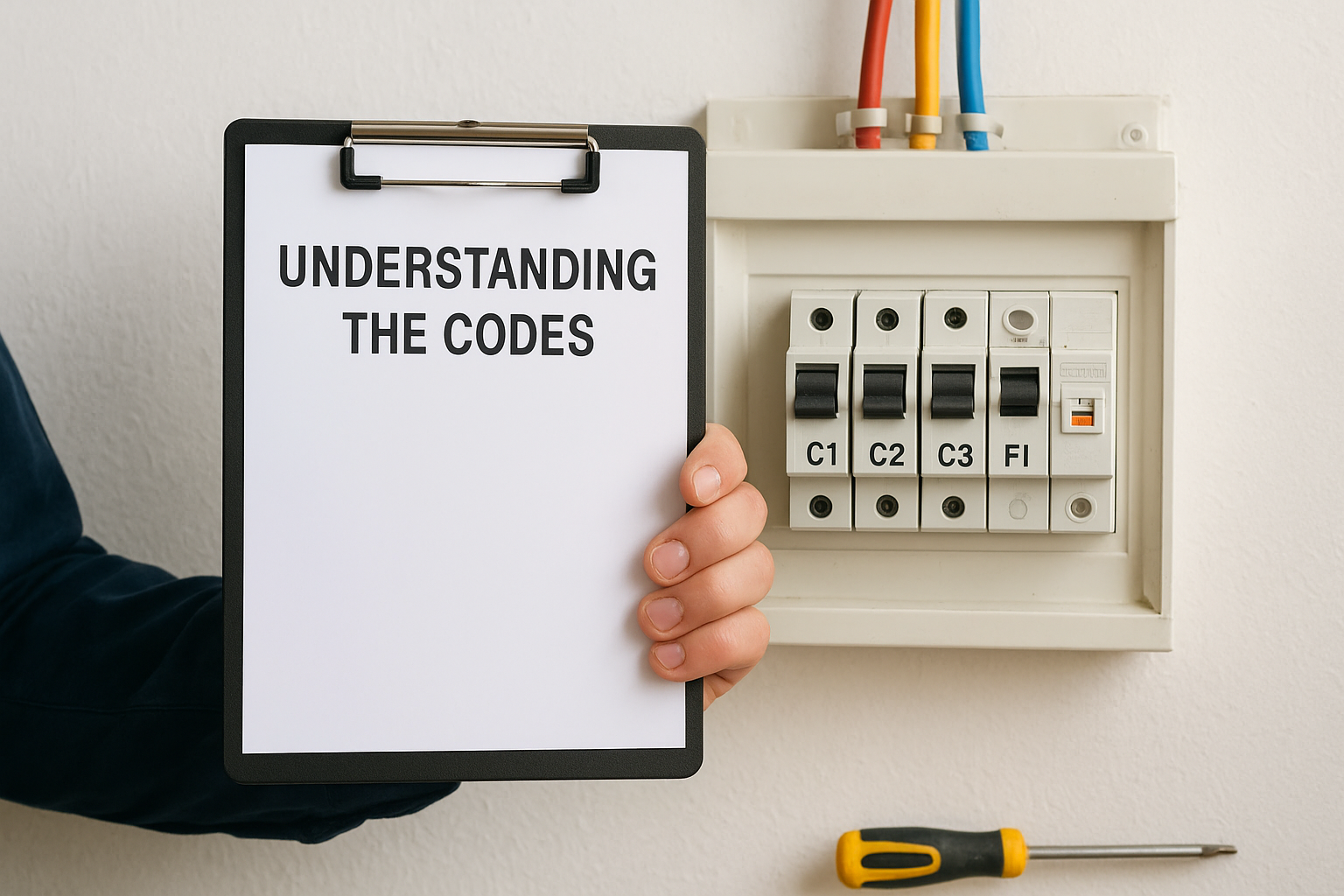
Understanding the codes
Every observation on the report carries a code that tells you how urgent the fix is:
-
C1: Danger present, risk of injury, requires immediate action
-
C2: Potentially dangerous, needs urgent remedial work
-
C3: Improvement recommended, not a legal requirement but worth addressing
-
FI: Further investigation needed to confirm the extent of a fault
A single C1 code turns your whole report unsatisfactory, no matter how clean the rest of the installation is.
Getting it fixed and re-tested
Once the engineer flags C1 or C2 issues, you're legally expected to arrange remedial electrical works without delay, since continuing to operate with a known danger present breaches your duty under the Electricity at Work Regulations. Most firms, including Electrical Testing London, offer a straightforward path from report to repair through their remedial works after an EICR service, so you're not left chasing a separate contractor once problems surface. After the work's done, the engineer re-tests the affected circuits and issues an updated certificate confirming the installation now meets BS 7671, closing out the compliance gap an inspector or insurer would otherwise flag.
Staying on top of your electrical compliance
An electrical safety certificate for commercial premises isn't a box you tick once and forget. It's an ongoing responsibility that sits with whoever holds the duty of care for the building, whether that's you as owner, landlord, or employer. Get the inspection booked before your current EICR expires, act fast on any C1 or C2 codes, and keep the paperwork somewhere you can produce it the moment an insurer, inspector, or new tenant asks for it.
Businesses that stay ahead of renewal dates rarely face the disruption of an unsatisfactory report catching them off guard. Those that let certificates lapse usually find out the hard way, often when a claim gets refused or an inspector turns up unannounced. Don't wait for that moment. If your certificate is due, or you've never had one for your premises, get a quote for a commercial EICR from our team and get it sorted properly, first time.

